What Are Dabs?
A dab is a single dose of cannabis concentrate — the sticky, potent extracts made by pulling the cannabinoids and terpenes out of the plant and leaving the leftover plant matter behind. "Weed dabs" and "dabs" mean the same thing; the word covers a whole family of extracts, not one specific product. Because a concentrate has already been separated from the plant, a dab is smaller and denser than a bowl of dried flower.
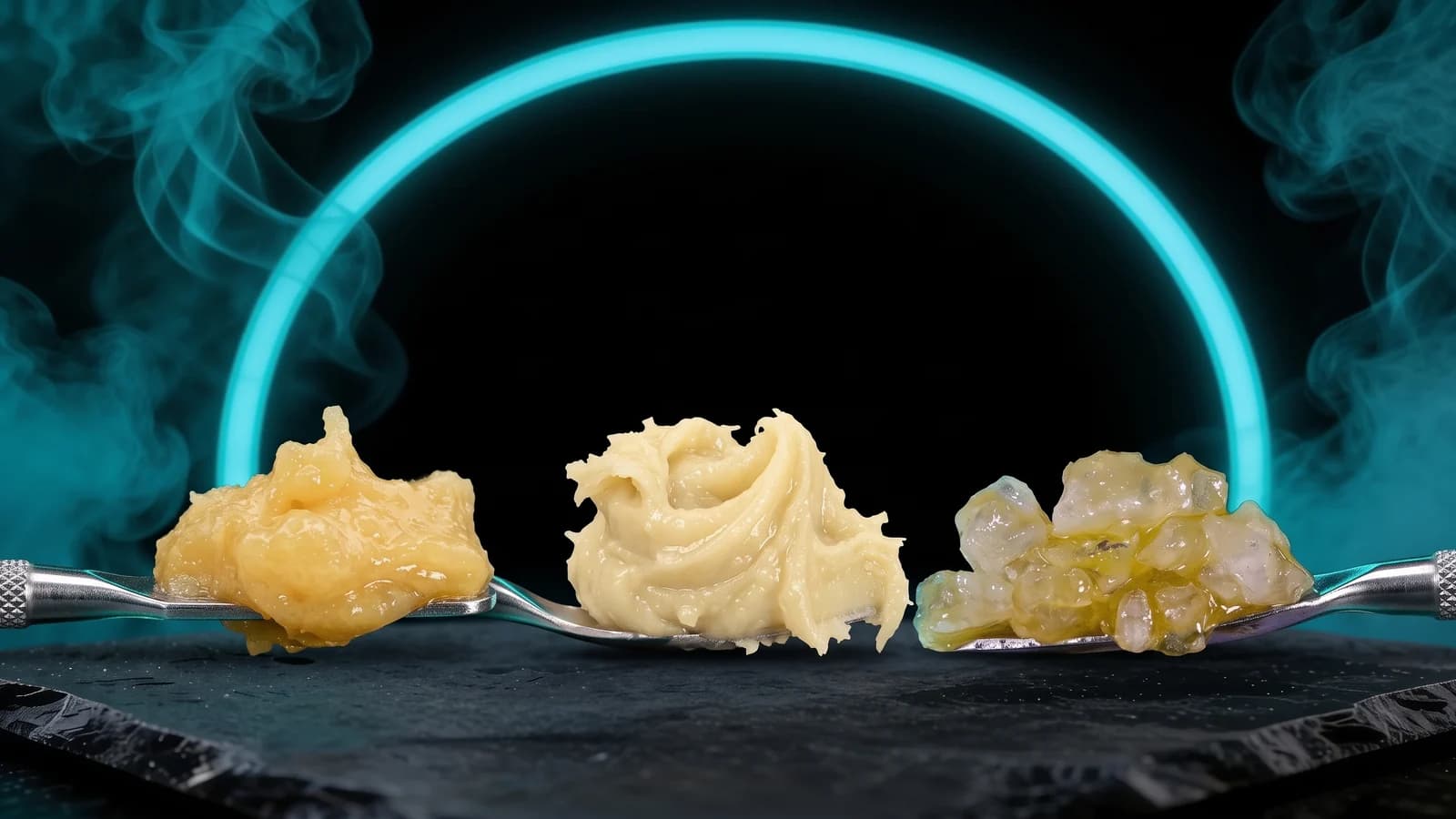
That family includes several different textures and processes — live resin, live rosin, full spectrum extract, THCA diamonds, distillate and full melt hash are all dabbed, just made different ways. The live resin, full spectrum extract and distillate jars sit together on our Cheap Dabs page.
Every dab starts as cannabis flower. From there, an extractor either washes the plant with a solvent (butane or propane, later purged out) or uses only ice water, heat and pressure to pull the resin free — no plant matter, wax or filler added. Which method was used is what separates resin from rosin from diamonds from distillate, covered further down.
What Is Dabbing?
Dabbing is the act of vaporizing a dab — touching that small piece of concentrate to a heated surface and inhaling the vapour, instead of holding a flame to dried flower in a joint or a bowl. The heat source can be a torch-heated nail, an electronic nail (e-nail), or the built-in heating element inside a dab pen or a cartridge battery. Either way, nothing is burning; the concentrate turns straight into vapour.
That's also the difference from smoking a joint: a joint combusts plant material continuously as it burns, while a dab is one measured piece, heated once, gone in a few seconds. It's a different session shape more than anything else — some people dab a few times through the day, others treat one dab like one bowl.
How to Dab: Step by Step
The steps below cover the classic rig-and-nail method, since that's what most first-timers picture when they ask how to dab. Using a pen instead? That's simpler, and it has its own section below.
Before you start, you'll need a rig (or e-rig), a nail or banger, a torch or an e-nail, and a dab tool to handle the concentrate. A dab mat under everything is worth having too — it keeps hot drips and stray concentrate off the table.
- Heat the nail with the torch (or set the e-nail) until it's glowing hot, then let it cool down to your target temperature — see the temperature section below for numbers.
- Load a small piece of concentrate onto the dab tool. A dose about the size of a grain of rice is a normal place to start.
- Touch the dab to the nail and inhale slowly and steadily through the mouthpiece as it vaporizes.
- If you have a carb cap, place it over the nail partway through the inhale — it traps the vapour and lets the rest of the dab vaporize at a lower temperature.
- Exhale, and give the rig a minute or two to cool before the next one.
However you dab, start with a smaller piece than you think you need and wait a few minutes before deciding on another — you can always add more, you can't take a dab back.
What Is a Dab Rig?
A dab rig is a water pipe built for concentrate instead of flower. Instead of a bowl, it has a nail or a banger — a small cup, usually quartz, titanium or ceramic, that holds the heat. Water in the base cools the vapour the same way it does in a bong, which is why a dab off a rig usually feels smoother than the same concentrate off a hot knife or a pen.
A traditional rig needs a torch to heat the nail by hand, which means judging the cooldown time yourself — most people count a set number of seconds or use a laser thermometer until they get a feel for it. An e-rig or an e-nail swaps the torch for an electronic heater with a dial or a button, so you set the number once and every dab after that starts at the same temperature. For someone dabbing for the first time, that consistency is the easier way in; a torch setup is what a lot of dabbers move to later.
What Is a Dab Pen?
In Canadian stores, "dab pen" almost always means a disposable, pre-filled oil pen — charged and loaded before it reaches you, nothing to set up. VanCity Labs' dab pens work exactly that way: press the button (or just inhale, on a draw-activated model) and the built-in heater vaporizes the oil for you. No torch, no nail, no dab tool. A 2g dab pen is a straightforward place to start, and the Frumpz live rosin dab pen covers the solventless route without a rig.
"Dab pen vs vape" usually isn't really a fight between two different things — a dab pen is a type of vape. The real split in cannabis stores is disposable vs. reusable: a dab pen is sealed and thrown out once it's empty, while a 510 cartridge screws onto a separate, rechargeable battery and only the cart gets replaced. Compared with a dab rig, a pen trades some flavour and temperature control for zero setup — no torch to carry, no nail to heat, nothing to clean afterward.
The Dab Types We Sell
Every dab falls into one of a handful of families. VanCity Labs makes all of it in-house at our own BC facility, with no middlemen. Here's what separates each type, and which shelf to find it on.
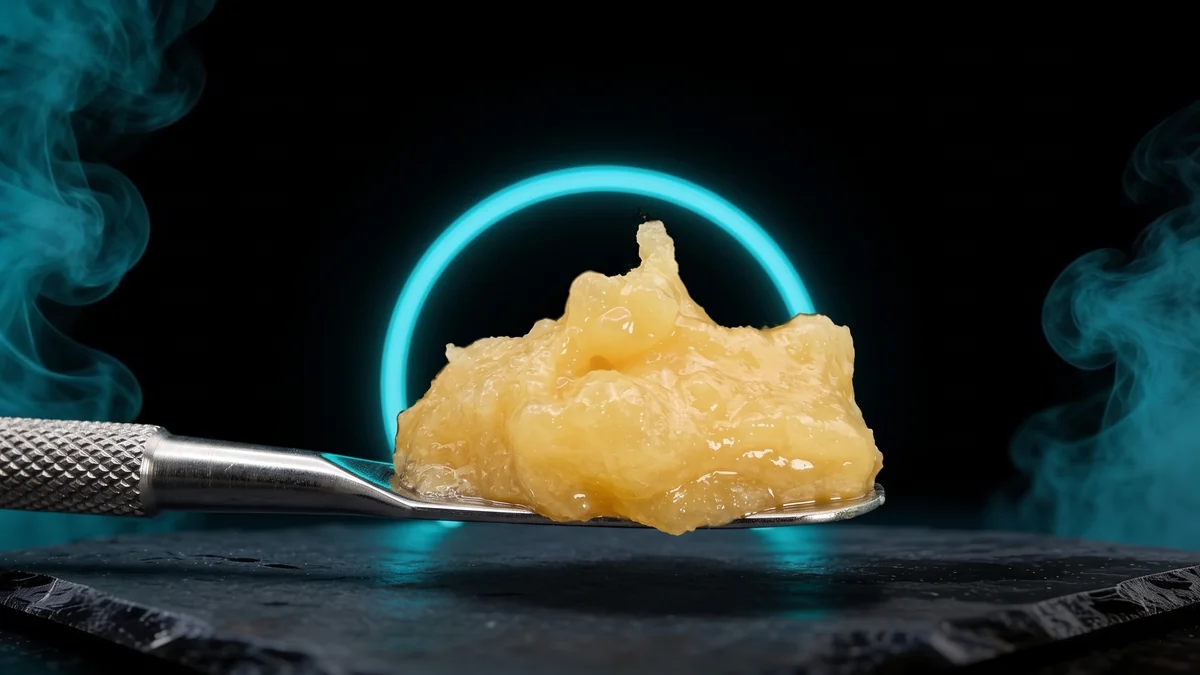
- Live resin — flash-frozen at harvest instead of dried first, which is why it tends to run loud and sappy on flavour, usually as a sauce or sugar texture. The live resin shelf includes strains like Apple Fritter; the live resin guide covers how it's made.
- Live rosin (hash rosin) — the solventless route: fresh-frozen flower washed into ice-water hash, then pressed with heat and pressure alone, nothing to purge. Browse live hash rosin, starting with jars like Purple Punch, or read the live rosin guide for micron grades and cold cure.
- Full spectrum extract (FSE) — a solvent extract built to keep as much of the plant's original cannabinoid and terpene range as possible. See the full spectrum extract shelf, including Black Cherry Kush.
- THCA diamonds (and sauce) — crystallized THCA, often resting in terpene sauce the way rock candy sits in syrup; dabbed on their own or dropped into a dab of resin for extra crystal. The diamonds and sauce shelf has the 1g jar; THC diamonds explained covers how they form.
- Distillate — refined down close to one compound, which strips the terpenes along with everything else. Dabbable, though most people vape it in a cart or cook with it instead, since it carries almost no flavour of its own. The 1g distillate syringe is the plain version.
- Hashish — the oldest concentrate on this list, separated and pressed rather than extracted with heat or solvent. Pressed hash crumbles into a bowl or a joint; only full melt, the purest grade, is clean enough to dab. The hash wall includes Banana Hash; the hash guide has the full breakdown.
- Isolates — a single cannabinoid crystallized on its own, with nothing else from the plant left in it. VanCity Labs' isolates line includes a plain CBD isolate, useful for adding one specific, non-intoxicating cannabinoid to a dab or an edible rather than for dabbing by itself.
You'll also see shatter mentioned constantly in dab guides — a harder, glass-like solvent extract that snaps instead of stretching. It's the same basic idea as resin and rosin, a concentrate you dab, just a more brittle texture. It isn't one of the types above; that list is what's on the shelf right now.
Not sure where to start? The live resin vs live rosin vs distillate comparison is a good next read, or head to Cheap Dabs for the resin, FSE and distillate jars.
What Temperature Should You Dab At?
Temperature is the single biggest lever on flavour. Too hot and the concentrate combusts instead of vaporizing — you'll taste burnt sugar and harsh smoke instead of the strain. Too cold and it won't fully vaporize, so you're wasting concentrate and pulling hard for a weak hit.
Low-temperature dabbing is commonly done around 450–550°F, measured at the nail — the range Leafly's dabbing guide points to for keeping terpenes intact. An e-nail or e-rig lets you dial in a specific number and repeat it every time; on a torch-heated nail, most people count a set number of seconds after the glow fades, or use a laser thermometer until the timing becomes familiar.
If dabbing is new to you, start on the low end and with a small piece, and give it a few minutes before deciding on another. It's easier to take a second dab than to take the first one back.